Abstract Doodle Pattern Review for Embroidery Projects
A First Look at the Visual Personality
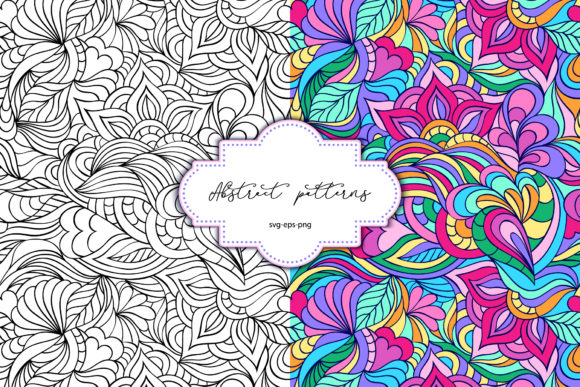
When I first opened the Abstract Doodle Pattern, I was immediately drawn to its playful yet sophisticated aesthetic. The seamless, hand-drawn motifs have a soft, organic flow that feels both modern and timeless. The multi-colored version is vibrant and full of life, while the black-and-white option offers a clean, minimalist alternative. This design seems to sit comfortably between whimsical and professional, making it a versatile choice for a variety of embroidery applications.
The mood created by this pattern is light and artistic, with a subtle energy that doesn’t overwhelm. It’s not too busy, so it won’t lose its charm on smaller items or when layered with other details. The abstract shapes feel like doodles from a sketchbook—loose, freeform, and full of character. It’s the kind of design that could easily become a signature element in a handmade product line or a standout feature on a custom apparel piece.
Real-Life Use: Custom Tote Bag Design
I imagined using Abstract Doodle Pattern on a custom embroidered tote bag for a small boutique. The tote would be a gift item, something customers could take home and use daily. I visualized the pattern stitched in pastel thread colors over a light canvas fabric. The result felt fresh and inviting, perfect for a spring or summer collection.
However, I also considered how the design might translate to different products. On a sweatshirt or baby onesie, the same pattern would need to be scaled down and simplified. The intricate lines might lose clarity if the stitch density isn’t adjusted properly. That’s where testing becomes essential—especially when working with machine embroidery designs that will be used across multiple product types.
If I were to use this pattern on a patch or cap, I’d lean toward the black-and-white version. It has a more refined look that works well on darker fabrics and holds up better under frequent washing. The color version, on the other hand, would shine on lighter backgrounds, such as pillow covers or tea towels, where the vibrancy can be fully appreciated.
Performance in Real Embroidery Situations
Abstract Doodle Pattern performs well on a range of embroidery file formats, including SVG, EPS, and PNG, which are all common in digital embroidery workflows. The seamless nature of the design means it can be repeated without visible breaks, making it ideal for larger surfaces like blankets or aprons. However, I’d advise checking the stitch density before finalizing any project. Dense areas might cause puckering on thin or stretchy fabrics unless a proper stabilizer is used.
For custom apparel like t-shirts or sweatshirts, the pattern works best when placed on flat, non-stretchy surfaces. If you’re planning to use it on curved items like caps or hats, the design should be tested in a hoop to ensure it maintains its shape after stitching. Also, consider how the pattern interacts with the fabric texture—on a coarse canvas, the fine lines might not show up as clearly as they would on a smooth cotton blend.
This design could be an excellent addition to a craft business offering personalized gifts or holiday items. Its versatility allows it to fit into many niches, from handmade product lines to small shop product ranges. As an Etsy seller or creative entrepreneur, you could offer this pattern as a standalone digital asset or incorporate it into a set of design elements for your clients.
Where to Use with Caution
While Abstract Doodle Pattern is quite adaptable, there are some scenarios where extra care is needed. For instance, using it on very small hoop sizes might lead to loss of detail, especially if the design includes tiny elements. Similarly, if the pattern is applied to dark fabrics, the black-and-white version may not stand out enough unless paired with contrasting thread colors.
Another thing to watch for is how the pattern behaves on stretchy or textured materials. These surfaces can distort the design during stitching, so it's important to test the digital embroidery file on scrap fabric before committing to a final project. Additionally, if you plan to sell finished products or use this pattern in commercial embroidery, always confirm the licensing terms provided in the ZIP archive.
Design Notes for Embroidery Professionals
Before using Abstract Doodle Pattern in any real project, I recommend the following steps:
- Test on scrap fabric: Check how the design looks when stitched on different materials and with various thread colors.
- Review stitch density: Ensure the pattern isn’t too dense for the fabric you're using, especially if it's thin or stretchy.
- Confirm hoop size: Make sure the design fits within the hoop you’ll be using for production.
- Inspect small details: Look closely at the SVG or PNG files to see if any elements might be lost when scaled down.
- Use mockups: Test the black-and-white version on light and dark backgrounds to see how it performs visually.
- Choose the right stabilizer: A good stabilizer can prevent distortion and help maintain the integrity of the design.
- Check licensing: Always make sure you understand the rights associated with the pattern before selling any finished products or digital assets.
Abstract Doodle Pattern is a great addition to any designer’s toolkit, but like all embroidery designs, it requires thoughtful application. With the right preparation and attention to detail, it can elevate your handmade product offerings and create a unique visual identity for your brand or client projects.