Dashed Line Pattern Minimalist for Graphics and Patterns
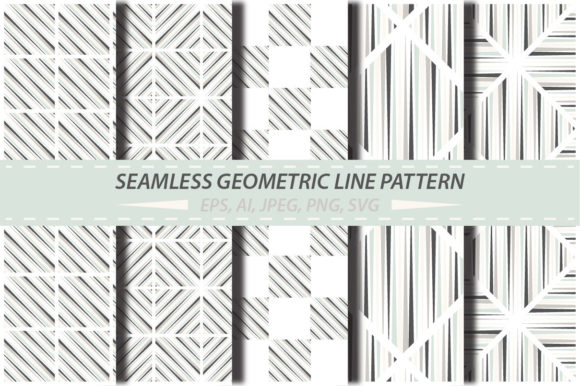
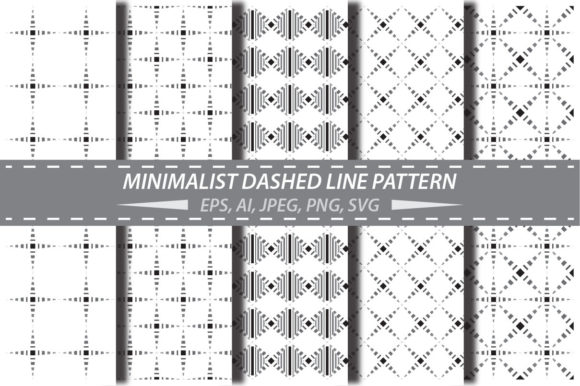
As a designer who regularly works on branding, packaging, and social media visuals, I've had the chance to test out a variety of design assets. Recently, I came across Dashed Line Pattern Minimalist, a geometric pattern that caught my attention with its clean lines and subtle variations. This isn't just another generic graphic—it has potential to add texture and depth to creative projects without overwhelming the visual space.
A First Look at Dashed Line Pattern Minimalist
The first thing that stands out about Dashed Line Pattern Minimalist is its ability to create a sense of rhythm through repetition. The use of dashed lines in different colors gives it a modern yet approachable feel. It’s not too bold or busy, which makes it a great fit for minimalist branding or editorial design. I see this pattern working well for handmade businesses, small brands, or even digital sellers looking to elevate their product visuals with a touch of sophistication.
Where Dashed Line Pattern Minimalist Shines
This pattern can be a powerful tool in several design contexts. In brand identity, it could serve as a background for logos, business cards, or website headers, especially when paired with simple typography. For packaging design, it adds visual interest without distracting from product details. On social media graphics, it can subtly reinforce brand aesthetics while maintaining readability. It also looks great on printable designs such as stickers, wall art, or Cricut projects, where texture can make a big difference.
In product mockups, Dashed Line Pattern Minimalist could help differentiate a product from competitors by adding a unique visual element. For digital ads or Pinterest pins, it provides enough detail to catch attention without being overcomplicated. When used in Canva templates or web design, it can support a cohesive look across multiple platforms.
When to Use with Caution
While Dashed Line Pattern Minimalist offers a lot of versatility, there are situations where it may not be the best choice. In small sizes, the pattern might lose clarity or become too busy, especially if used in crowded layouts. It's also important to consider low-contrast backgrounds—the pattern may not stand out well against light or dark tones unless carefully tested.
If the project requires a very clean visual hierarchy, this pattern could potentially compete with other design elements. It's not ideal for professional corporate materials that demand strict formality, but it could work well for handmade businesses or small business branding that leans into a more casual, artistic vibe.
Design Considerations Before Using
Before incorporating Dashed Line Pattern Minimalist into a client project, I always take time to test it thoroughly. I check how it looks in black and white to ensure it still works without color. I preview it at both small and large sizes to confirm it maintains quality across formats. Testing it on real mockups helps me understand how it interacts with textures and materials, especially if it’s intended for print-on-demand or sublimation design.
I also review the file formats—whether it includes transparent PNGs or editable SVGs—and confirm the asset has a commercial license. Comparing it with different font styles, like serif, sans-serif, script, or display fonts, helps determine compatibility. Lastly, checking the print quality ensures it won’t pixelate or lose definition when scaled.
Impact on Branding and Visual Appeal
Dashed Line Pattern Minimalist contributes to visual trust and brand recognition by reinforcing a consistent aesthetic. It adds a layer of emotional appeal that can resonate with audiences, especially in creative marketplaces or Etsy products that aim to feel handcrafted. Its subtle nature supports modern design trends while ensuring readability remains intact, making it suitable for marketing visuals and editorial design.
For digital sellers or print-on-demand entrepreneurs, this pattern can be an excellent addition to a design bundle or clipart collection. It brings a fresh, geometric edge to sticker design, t-shirt design, or mug designs without overpowering the main message.
Final Thoughts on Dashed Line Pattern Minimalist
Overall, Dashed Line Pattern Minimalist is a versatile graphic design asset that can enhance a wide range of creative projects. Whether you're working on packaging design, social media graphics, or web design, this pattern offers a subtle yet effective way to add visual interest. Just be sure to test it thoroughly and use it in ways that align with your brand's tone and audience expectations.
As a designer, I find value in assets that bring something new to the table—Dashed Line Pattern Minimalist definitely fits that description. It’s not just a decorative element; it’s a thoughtful addition to any creative design toolkit.