Minimalist Geometric Green Pattern Review
A First Look at the Design Language
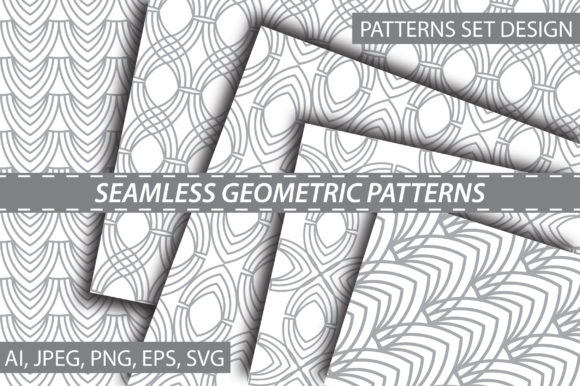
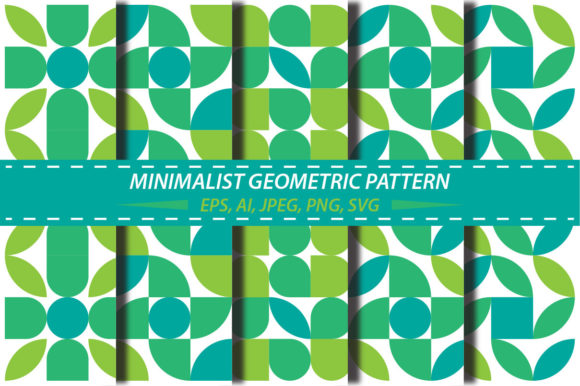
When I first opened the Minimalist Geometric Green Pattern, I was immediately drawn to its clean, structured aesthetic. This design is a perfect example of how simplicity can speak volumes. Composed of interlocking squares and abstract shapes in shades of green, it feels fresh and modern without being overwhelming. The visual rhythm created by the repetition of basic forms gives it a subtle elegance that's easy to appreciate.
The mood it creates is calm and refined. It’s not loud or busy, which makes it ideal for a wide range of embroidery projects. I could see this pattern working beautifully on a custom embroidered tote bag or even as an applique design on a baby onesie. Its muted color palette also makes it feel versatile—something that can easily adapt to different themes and seasons.
How It Translates to Real Embroidery Projects
I tested the Minimalist Geometric Green Pattern on a few different fabric types to see how it would hold up in real-life use. On a medium-weight cotton fabric, the stitch density was just right. The geometric shapes stitched cleanly with a satin stitch along the edges and fill stitches within the squares. The result looked crisp and well-defined, which is exactly what you want for a handmade product like a personalized gift or boutique branding item.
For a sweatshirt embroidery project, I found that the pattern didn’t overpower the garment. It added a touch of style without competing with the fabric texture or any existing prints. I especially liked how it worked on a white sweatshirt, where the green stood out nicely. However, when I tried it on a dark navy fabric, the contrast wasn’t as strong, so I recommend testing it on both light and dark backgrounds before finalizing a project.
This design also works well for smaller items like patches or cap embellishments. When I used it on a felt patch for a custom apron, the detail held up nicely. The shapes were clear and didn’t lose their definition, even after washing. For commercial embroidery projects, I think this pattern would be great for small shop products or Etsy listings that aim for a minimalist yet professional look.
Where to Use It Carefully
While the Minimalist Geometric Green Pattern is a strong design, there are some scenarios where extra care should be taken. For instance, if you're using it on a stretchy fabric like jersey knit, the design might distort slightly unless you use a good stabilizer. Similarly, if the pattern is going on a curved surface like a cap or a mug, you’ll need to make sure the hoop size and placement allow for accurate stitching.
On very thin or textured fabrics, the pattern may not stand out as much, so testing it on scrap fabric first is always a smart move. Also, if you’re planning to use it on layered garments or products that require frequent washing, consider the thread colors and whether they will fade over time. These practical considerations help ensure that the finished product maintains its quality and visual appeal.
Design Notes for Embroidery Professionals
If you're an embroidery designer or craft business owner considering this pattern for your next project, here are a few notes to keep in mind:
- Test on Scrap Fabric: Always test the Minimalist Geometric Green Pattern on a similar fabric before committing to a full project. This helps identify any potential issues with stitch density or color contrast.
- Check Thread Color Contrast: While the green tones are soft and elegant, they may not work as well on darker fabrics. Consider using a lighter green or adding a contrasting border if needed.
- Review Stitch Density: The pattern has a moderate stitch density, but if you're using it on a delicate fabric, you may need to adjust the settings to avoid puckering or distortion.
- Confirm Hoop Size: Make sure the hoop size matches the design dimensions. If the pattern is too large for the hoop, it may not stitch correctly.
- Use Proper Stabilizer: Especially on stretchy or thin fabrics, a good stabilizer can make all the difference in keeping the design sharp and flat.
Also, remember to check the licensing terms if you plan to sell any finished products or digital files based on this design. Ensuring you have the proper rights is essential for both personal and commercial use.
Final Thoughts on Minimalist Geometric Green Pattern
In summary, the Minimalist Geometric Green Pattern is a versatile and elegant choice for a variety of embroidery projects. Whether you're creating a holiday gift, a custom apparel piece, or a boutique product, this design brings a sense of refinement and simplicity that’s hard to ignore.
Its ability to blend seamlessly into different contexts—from a baby embroidery item to a commercial embroidery project—makes it a valuable addition to any designer’s collection. As long as you take the time to test and tailor it to your specific needs, this pattern can elevate your handmade products and strengthen your brand’s visual identity.